
39: Moral ambition
Plus! Gamify the sewer, clean the slate and sing to the lions

Hello there!
This January morning I happened to read a chapter from Rick Rubin’s The Creative Act (Thanks, Pa) about starting with a clean slate.
Step away from the work for a while.
When finalising a mix, Rubin makes notes (“louder drums in the middle eight” etc). The impulse is to listen to the new version and check the list off, which plays to ego (“they did what I asked”).
The trick is to throw the list away and listen with fresh ears.
It probably works for New Year resolutions as well.
Easing in with some culture
I love Emmanuella Morsi’s perspective that the role of the artist is to make the revolution irresistible.
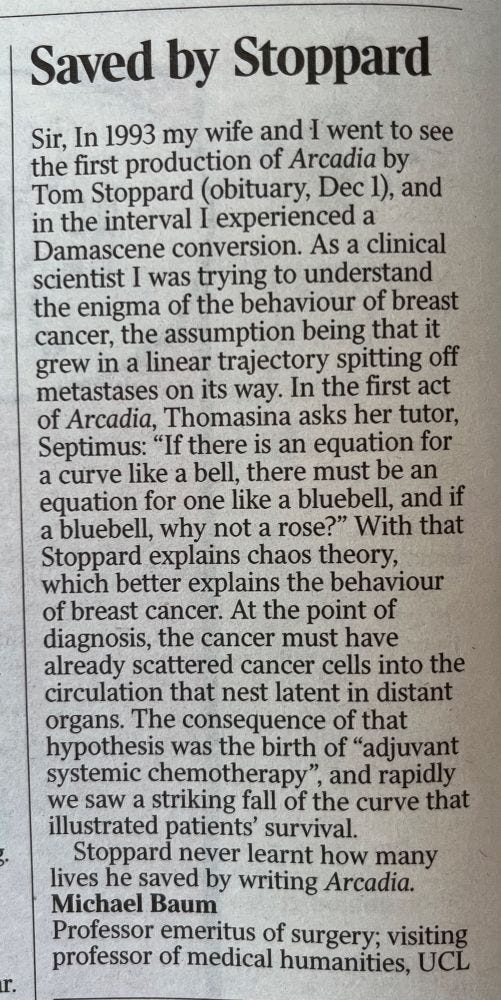
A widely shared letter to The Times (BSky) showing how art and culture saves lives. Here in case you missed it:
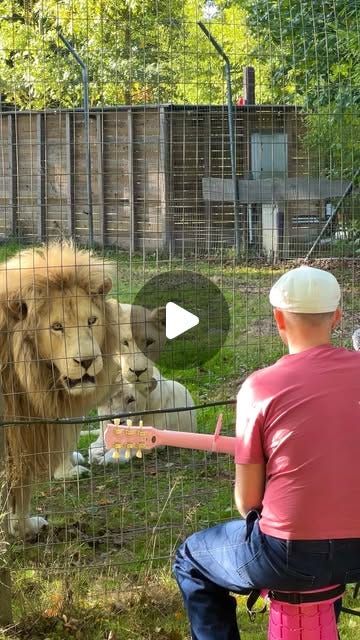
Is this culture? I don’t know, but this guy is singing to Lions and they love it.
Permission to play
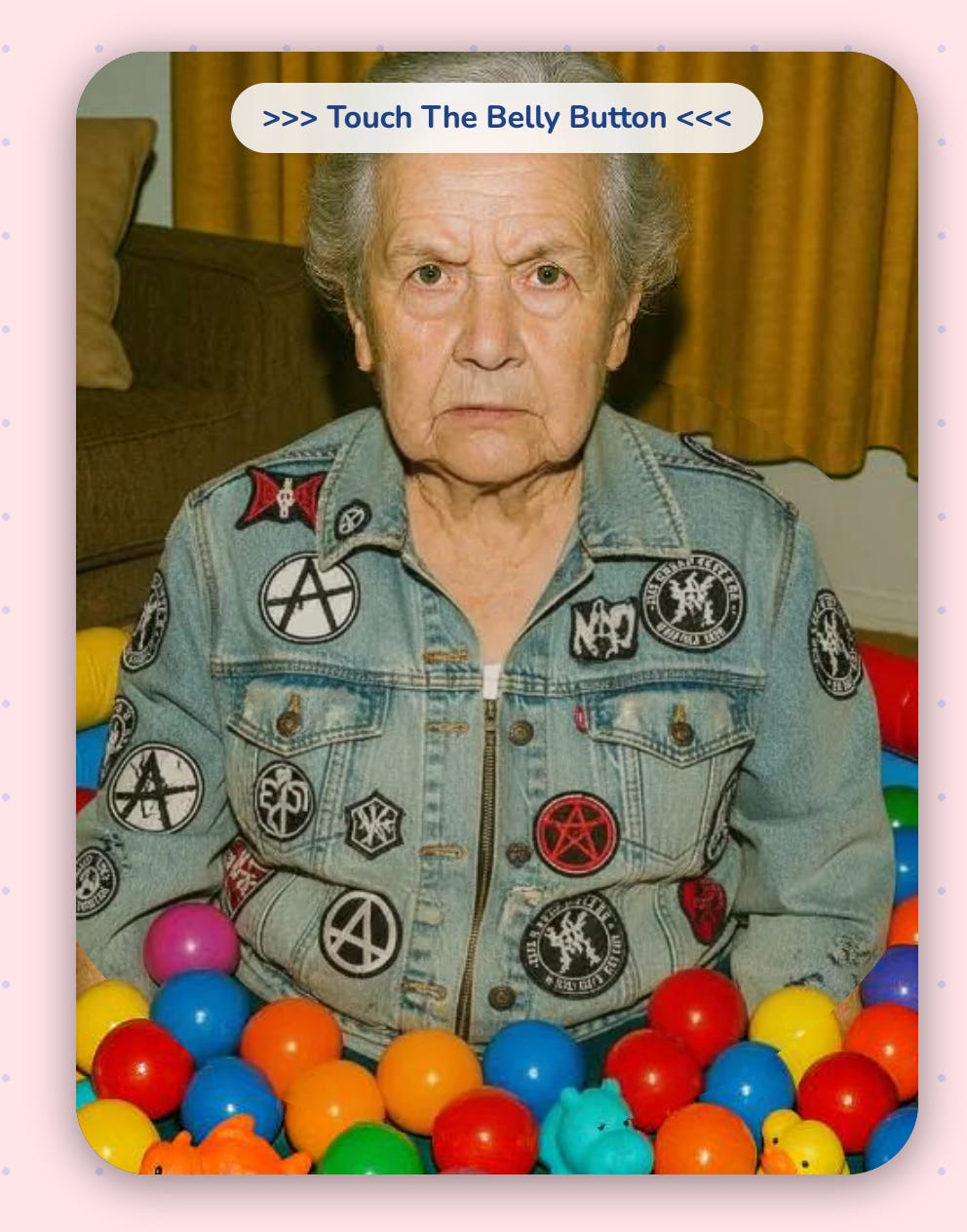
A bit of bonkers belly-button touching, as linked by WebCurios. Touch the belly button. Touch it now.
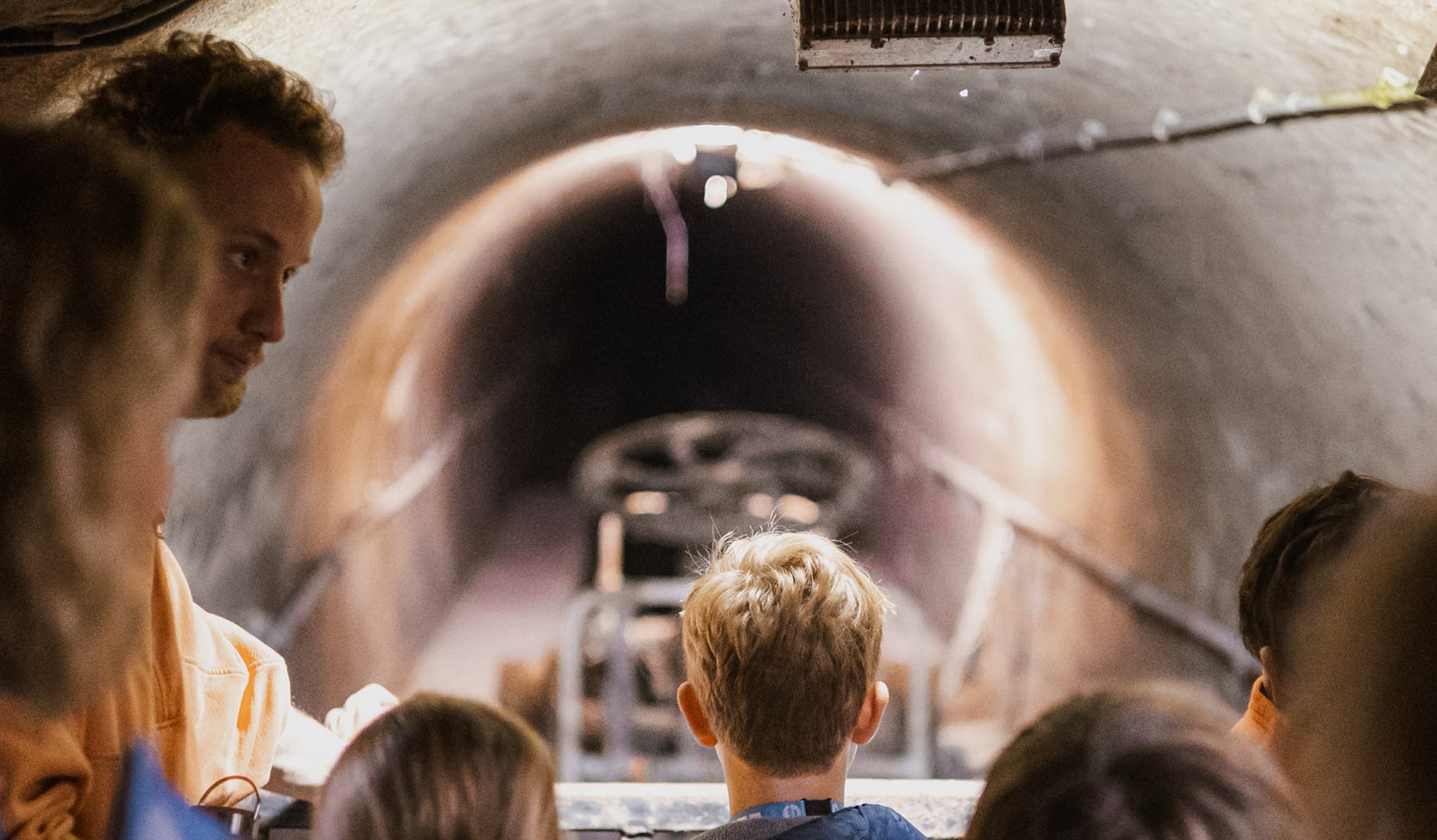
Ah. Gamification. Not my favourite word! But the Brussels Sewer Museum seems to have done a good job! Here’s a review of their choose-your-own-adventure audio guide.
I am re-trumpeting one of Hugh’s seven lessons from our 2013 Capture The Museum collaboration because play can brilliantly break down unhelpful barriers and more importantly — we all need more REAL in our lives. He says:
One of the successful elements of the game was offering ‘real-world rewards’. Which is a fancy shmancy way of saying people like stickers. Competing teams got to go home with a memento of the game. As much as digital technology can augment and enhance a museum visit, there's no getting away from the fact it's real objects that pull people in.
And I said:
The physical elements (red and blue sashes, the winners flag) gave people permission to play and created a sense of ceremony.
This little techie went to market
Five pages of creative investors (compiled by UKRI) in case you want to hound them for money.
Can you gamify getting off social media? Unsure what to make of the Nomo app (as in, “No Missing Out”) part funded by NESTA.
Behavioural economics can be pretty grim. I read Nudge in 2025 (didn’t like it) but enjoyed the notion of “channels” (from rivers, not media). Removing very small obstacles can result in big changes of course. The idea works in reverse to spot small bumps that might send digital projects awry. Ash Mann has some suggested checks (my paraphrase of his very good original thinking):
Vague goals
Vague decision-making process
Scope creep
No meaningful audience input
Concerns being raised privately
Leaders losing interest
A section loosely grouped around “sustainability” and “community”.
You know how everything feels a bit much atm? Well, it is too much! This article has all the grim stats (growing loneliness etc) but also a lovely quote from philosopher Soren Kierkegaard: “Anxiety is the dizziness of freedom.”
People have been writing about “Admin Nights”. Get the gang together, eat popcorn and cancel that direct debit. I think it started with a WSJ article (paid). Hugh is trying one in Jan. Molly loved it (LinkedIn, soz).
In December I was the solo “cabin in the woods” cliche and wrote a lot, filmed many pieces to camera for The Landing Films edit and heated all the mince pies in a cast iron pan with a bowl on top. Worked a treat.
Just lads, in their community, doing nice stuff (to save you a click, they’re picking litter and removing graffiti because they council hasn’t got the money).
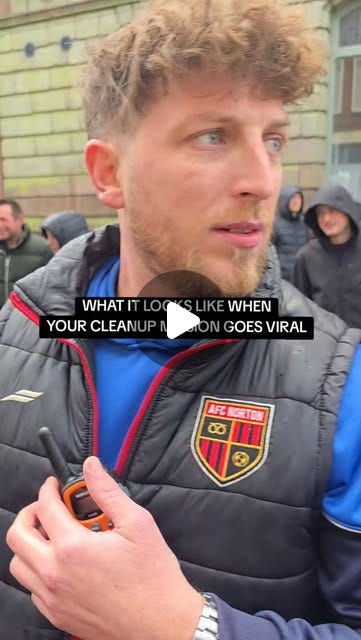
Some opinions you didn’t ask for
For gawd’s sake, listen to the BBC’s 2025 Reith lectures (thanks, Ma) on the moral revolution our world needs.
Bregman has the gift of the gab — lines like “the elites today livestream the fire and monetise the smoke” — and an eye for stats: only one of the UK’s 12 founding abolitionists survived to see the law past.
His provocation is “How does impossible become inevitable?”. He relays many examples of small groups of people getting together because something needs to change and, with a lot of grit and graft, things change!
He clearly has an eye for fundraising too. The School for Moral Ambition raised €3.35m in 2024 and €2.5m in 2025 to retrain all the smart people that get stuck in BS (bulls**t) jobs instead of leading real change.
A propos of nothing, I like the word infrastructure at the moment. To me, it represents preparedness and helps explain why things work or fail. It’s about having bathroom caddies in shared houses to keep stuff organised. Or the 20 miles of water pipe laid every year for Glastonbury festival.
I have a meltdown if I can’t find the right elastic band and in those moments I say: we need better infrastructure.
That’s clearly enough from me.
What do you have lined up in 2026? Let’s get to work.
B.
PS - May I briefly hark back to summer 2025 when British Chaos went global? No need to click, just enjoy the quote: “A country with nothing left to sell the world but evidence of its own insanity.”